

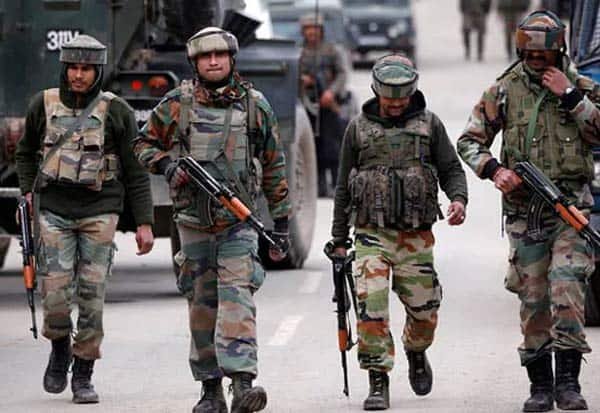
The Indian Army has introduced significant changes to its dress regulations under the newly released Army Uniforms-2026 Pamphlet, marking a major step toward aligning military traditions with India’s national identity. The reforms aim to remove several colonial-era practices, symbols, and terminologies while preserving the dignity and heritage of the armed forces.
One of the most notable changes is the introduction of the indigenous Bandi jacket as part of formal civil attire for officers. The closed-neck jacket, worn with formal trousers and a full-sleeved shirt, reflects the Army’s effort to incorporate Indian cultural elements into official dress.
The updated regulations also eliminate several colonial-era traditions. The use of the term “Royal” has been discontinued, pouch belts have been removed from specific mess dress categories, and the mandatory carriage of swords by Reviewing Officers has been abolished. Swords will now be carried only by designated personnel during major ceremonial occasions such as Republic Day, Independence Day, Army Day parades, and Guards of Honour.
The Army described these changes as part of a broader initiative to modernize and standardize dress regulations while reinforcing India’s sovereign identity. The manual emphasizes balancing modernization with the preservation of long-standing military traditions.
In addition to ceremonial reforms, the Army has introduced a new winter working dress featuring a Battle Jacket, which will gradually replace the existing jersey-based winter uniform by June 2029. The guidelines also set clear standards for personal appearance, restricting unauthorized beards, radical hairstyles, visible electronic devices, tattoos, body piercings, and cosmetic makeup while in uniform.
The reforms complement the Army’s wider efforts to shed colonial-era legacies. Earlier this year, the Army renamed 246 roads, buildings, colonies, and military facilities across the country to honor Indian war heroes, gallantry award recipients, and distinguished military leaders.
According to officials, these measures reflect the Indian Army’s commitment to modernization, national pride, and a military identity rooted in India’s own history, values, and traditions.
