

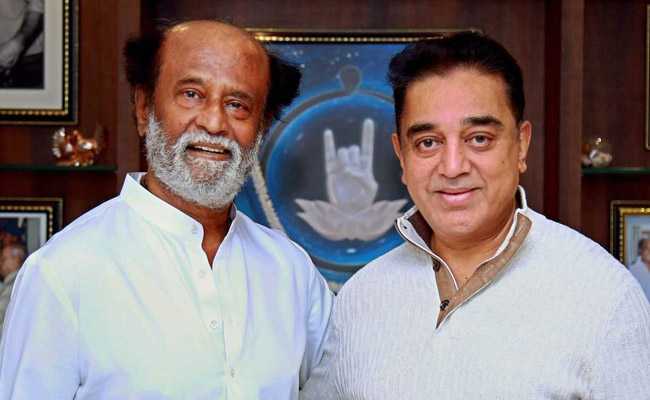
In South India, film stars often enjoy a level of admiration that goes beyond conventional fandom. Over the years, audiences have bestowed unique titles and nicknames upon their favourite actors, transforming them into cultural icons whose identities extend far beyond the silver screen.
One of the most famous examples is Vijay, popularly known as “Thalapathy,” a Tamil word meaning “commander” or “general.” Fans view him as a leader who guides from the front, both through his on-screen roles and his public image. Similarly, superstar Rajinikanth is affectionately called “Thalaivar,” which translates to “leader” or “chief.” The title reflects his immense influence and enduring popularity among generations of fans.
Veteran actor Kamal Haasan is often referred to as “Aandavar,” meaning “God” or “Lord.” The title emerged from his acclaimed film Anbe Sivam and has since become a symbol of admiration for his acting talent and creative vision.
Another popular Tamil cinema title belongs to Ajith Kumar, who is known as “Thala,” meaning “head” or “leader.” The nickname gained prominence after the success of his 2001 film Dheena and has remained closely associated with the actor ever since. Meanwhile, Vijay Sethupathi is fondly called “Makkal Selvan,” which translates to “People’s Treasure,” reflecting his relatable screen presence and connection with audiences.
In Malayalam cinema, actor Mohanlal is widely known as “Lalettan,” combining his name with “Ettan,” a term used for an elder brother. The nickname conveys affection, trust, and familiarity. Similarly, Mammootty is called “Mammookka,” with “Ikka” being a respectful term for an elder brother in the Malayalam Muslim community.
Experts note that these titles are deeply rooted in South Indian cultural traditions, where honorifics have historically been used to express respect and admiration. More than mere nicknames, they represent the emotional bond between stars and their fans, reflecting cinema’s powerful role in shaping regional identity and popular culture.
