

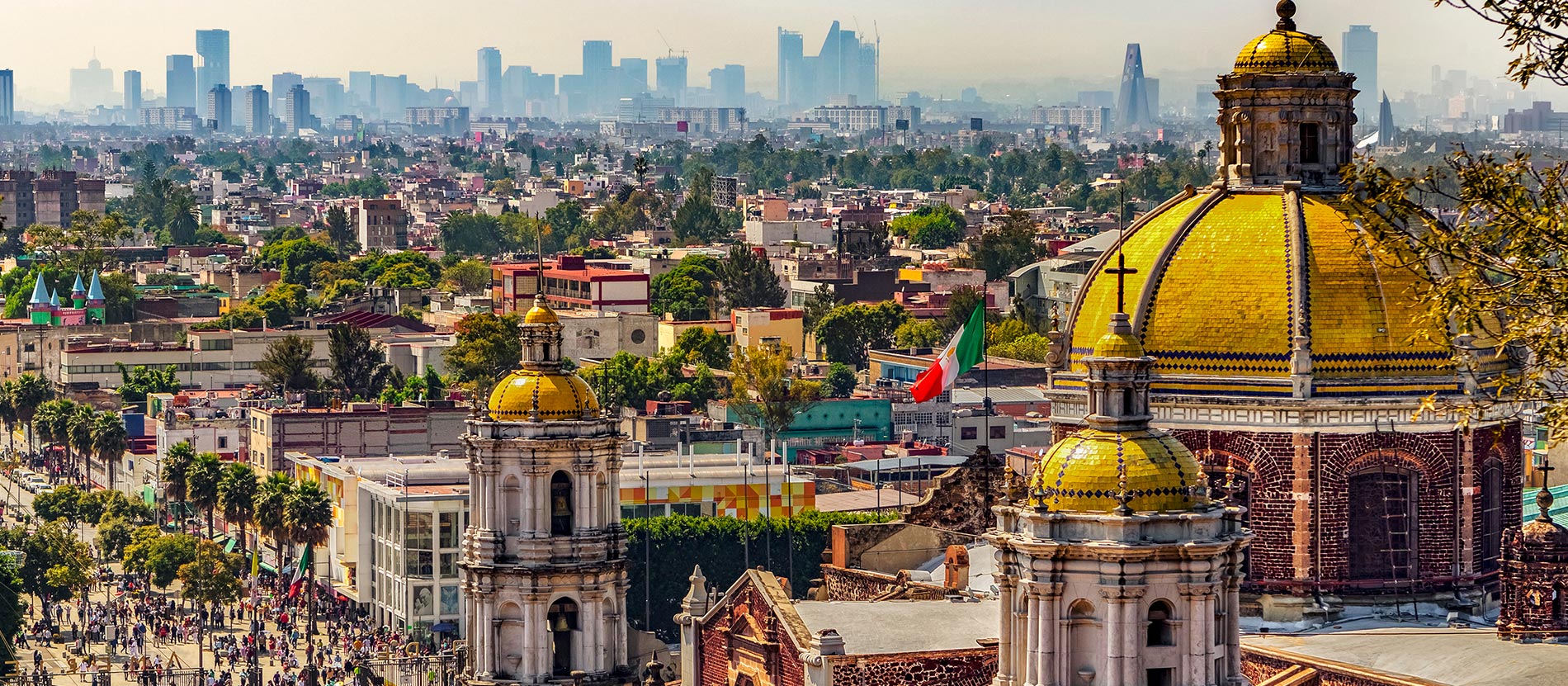
As Mexico prepares to host matches during the FIFA World Cup 2026, expectations are high that the tournament will provide a significant economic boost. Analysts estimate the event could generate nearly $3.7 billion (MX$65 billion) in revenue nationwide, with tourism expected to account for a major share of the gains, particularly in Mexico City.
Businesses in popular tourist areas are already seeing increased activity. Restaurants, souvenir shops, kiosks, and street vendors have begun catering to football fans arriving from around the world. In Mexico City’s historic Zocalo district, merchants are selling a wide range of World Cup-themed merchandise, while restaurant owners anticipate a sharp rise in customer numbers throughout the tournament.
Even businesses located away from major tourist attractions hope to benefit from the football fever. Many restaurants and local establishments have launched special promotions and sports-themed decorations to attract visitors and residents eager to watch matches.
However, not everyone is expected to profit. Security experts warn that criminal groups may attempt to capitalize on the influx of tourists through extortion, scams, and cyber fraud. Businesses in tourist-heavy areas could become targets of organized crime, while visitors may face risks from counterfeit tickets, fake hospitality packages, fraudulent merchandise, and malicious websites posing as official World Cup services.
At the same time, some small business owners fear they could be overshadowed by official FIFA fan zones and licensed vendors. Others report that bookings and customer traffic have not matched expectations despite the global attention surrounding the tournament.
A major concern among residents is affordability. Many locals say ticket prices remain beyond the reach of average Mexicans, with some match tickets costing thousands of dollars. Critics argue that while the World Cup may generate substantial economic benefits, much of the experience could be enjoyed primarily by international visitors and wealthier spectators.
As the tournament begins, Mexico faces the challenge of balancing economic opportunity with concerns over security, accessibility, and local participation.
