

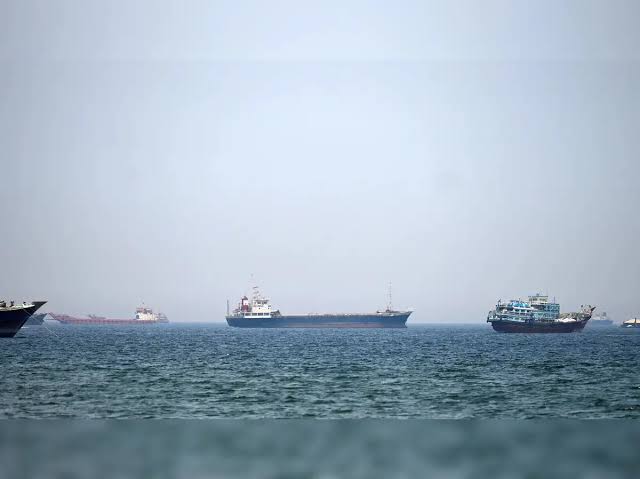
Tensions between the United States and Iran intensified after US forces struck Iranian coastal radar and surveillance installations near the Strait of Hormuz on Saturday. The action came after the US military intercepted four Iranian drones that it said posed a threat to maritime traffic in the strategically important waterway.
According to US Central Command, the strikes targeted surveillance facilities in Goruk and on Qeshm Island. The Strait of Hormuz remains one of the world’s most critical energy corridors, carrying a significant share of global oil shipments. Iran condemned the US operation, accusing Washington of violating an April ceasefire agreement and warning of consequences for what it described as illegal actions.
Iran’s Revolutionary Guards claimed responsibility for retaliatory attacks on US military installations in Kuwait and Bahrain. While Iran said it launched ballistic missiles at the bases, the US military reported that most of the missiles were intercepted before reaching their targets. Kuwaiti authorities confirmed missile activity over residential areas, resulting in property damage but no casualties, while Bahrain activated emergency sirens and advised residents to seek shelter.
The escalation comes amid indirect negotiations between Washington and Tehran aimed at reaching an interim agreement to halt the conflict that began in February. Major issues remain unresolved, including sanctions relief, access to Iranian oil revenues, and control over maritime activity in the Strait of Hormuz.
Meanwhile, Pakistan has stepped up diplomatic efforts to mediate the crisis. Mohsin Naqvi arrived in Tehran for talks with senior Iranian officials, including Abbas Araghchi.
The conflict continues to affect global energy markets, driving up oil prices and disrupting trade routes. Regional instability has also spread beyond the Gulf, with tensions involving Hezbollah and Israel further complicating efforts to achieve a broader ceasefire across the Middle East.
