

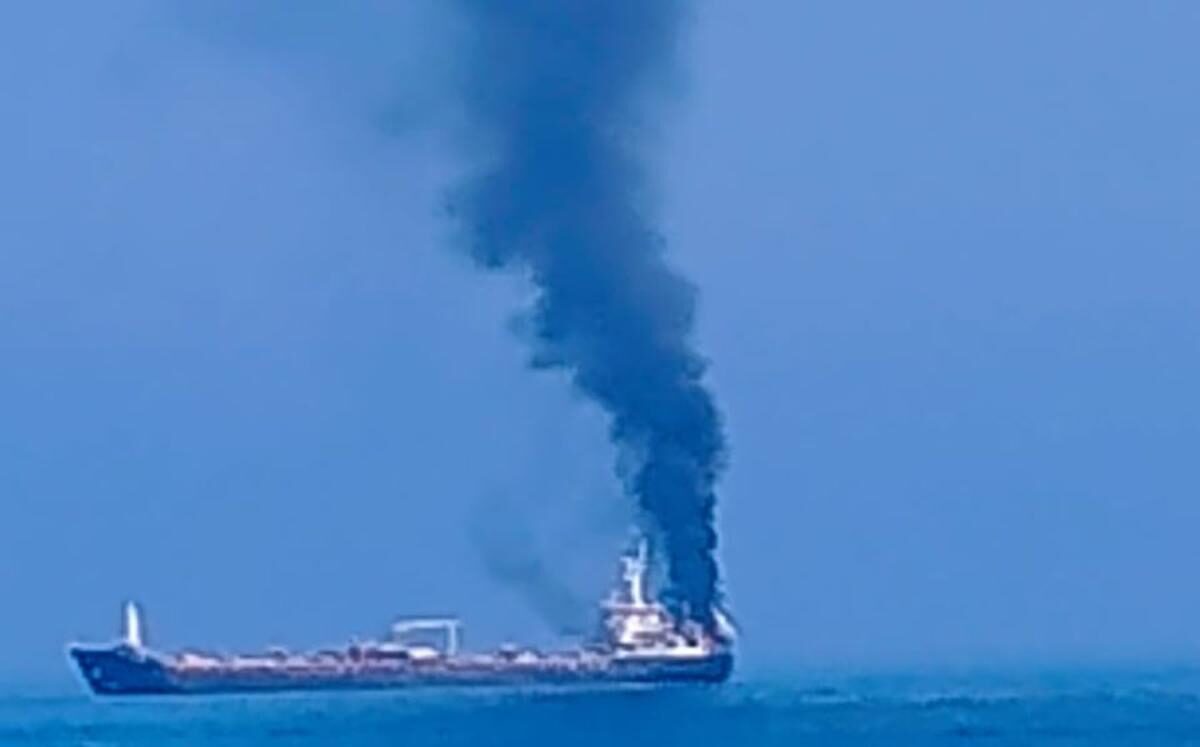
The United States military has revealed details surrounding its strike on the commercial vessel MT Settebello in the Gulf of Oman, an incident that resulted in the deaths of three Indian sailors and triggered diplomatic concerns between New Delhi and Washington.
According to the U.S. Central Command (CENTCOM), the Palau-flagged vessel ignored nearly 60 verbal warnings and at least eight separate “shows of force” before American forces took action. U.S. officials stated that the ship was suspected of being part of a sanctions-evasion network allegedly involved in transporting Iranian oil in violation of ongoing restrictions.
The military said it had been communicating with the vessel for approximately two weeks before the incident and repeatedly instructed it to comply with orders. On the day of the strike, American forces reportedly issued final warnings, conducted flyovers, and fired warning flares. CENTCOM stated that the crew was given 15 minutes to evacuate the engine room before precision munitions were used to disable the ship.
U.S. authorities argued that the vessel had attempted multiple times to breach the naval blockade imposed around Iranian ports during the ongoing regional conflict. Washington maintained that the action was part of efforts to enforce maritime security measures and sanctions.
India strongly protested the strike after confirming that three Indian nationals were among those killed. The Ministry of External Affairs summoned the U.S. Charge d’Affaires and conveyed its concerns regarding the incident and the loss of Indian lives.
The development comes amid a broader shift in regional dynamics. The United States and Iran have announced a breakthrough peace agreement aimed at ending hostilities and reopening the strategically important Strait of Hormuz. The agreement, expected to be formally signed in Geneva on June 19, could significantly reduce risks for commercial shipping and maritime workers operating in the region.
The incident has renewed attention on the dangers faced by civilian crews navigating conflict-affected waters and the importance of diplomatic efforts to ensure maritime stability.
