

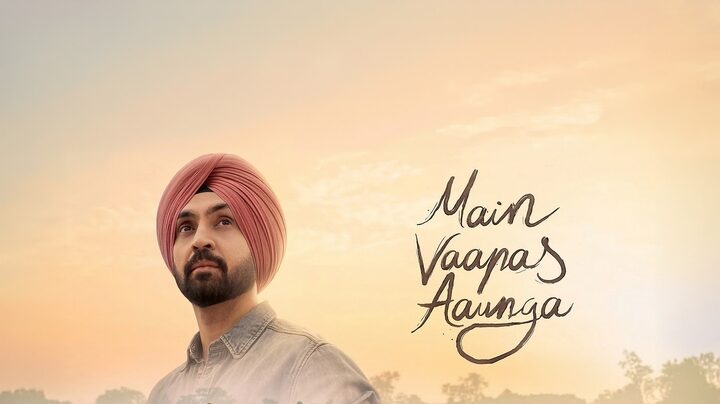
Imtiaz Ali’s Main Vaapas Aaunga offers a poignant reflection on the human cost of Partition, standing apart from the wave of nationalist films dominating contemporary Bollywood. Rather than using history to fuel division, the film encourages audiences to confront the trauma of the past with empathy, remembrance, and a desire for reconciliation.
At the heart of the story is Ishar Singh Grewal, portrayed with remarkable depth by Naseeruddin Shah. Grewal is a man haunted by memories of 1947, carrying emotional scars that his family struggles to understand. Through his character, the film explores how the wounds of Partition continue to echo across generations, shaping identities and relationships long after the violence has ended.
Ali presents Partition not merely as a political event but as a deeply personal tragedy that shattered ordinary lives. Sikh and Muslim characters in Punjab are depicted as people caught unaware by forces beyond their control, learning about the impending division of the subcontinent as if it were an approaching storm. The film highlights the humanity of those trapped in the conflict while questioning the decisions of political leaders and the communal violence that followed.
A key theme of Main Vaapas Aaunga is the fragility of memory and the importance of preserving it. The narrative suggests that forgetting the lessons of history risks repeating its mistakes. Instead of assigning blame to entire communities, the film distinguishes between political actions and collective identities, emphasizing that people of all backgrounds suffered during the upheaval.
Through its thoughtful storytelling, the film argues that communal hatred only deepens historical wounds and strengthens forces that seek to exploit division. By focusing on compassion rather than revenge, Ali crafts a powerful message about healing and coexistence.
With strong performances, emotional depth, and a nuanced approach to one of the most painful chapters in South Asian history, Main Vaapas Aaunga serves as both a remembrance of the past and a call for understanding in the present.
