

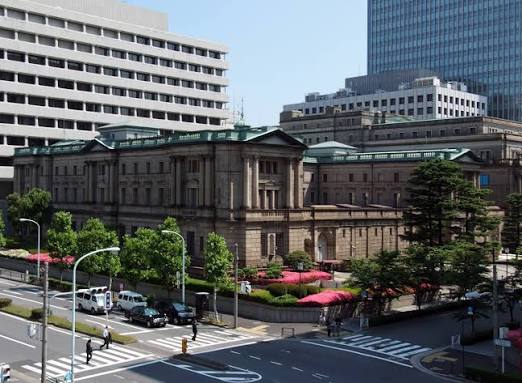
Japan’s central bank has raised its benchmark interest rate to 1%, marking the highest level since 1995 as policymakers respond to rising inflationary pressures and higher global energy costs.
The Bank of Japan (BOJ) announced the increase on Tuesday, lifting its policy rate from 0.75% to 1%. The move extends the bank’s gradual shift away from the ultra-loose monetary policy that defined Japan’s economy for more than two decades.
The latest rate hike comes amid a rise in global energy prices triggered by the ongoing Iran conflict, which has increased living costs worldwide. Japan, heavily dependent on imported oil and gas from the Middle East, has been particularly vulnerable to these price shocks. The country’s wholesale inflation accelerated to over 6% in May, its fastest pace in three years.
Despite the increase in wholesale prices, Japan’s consumer inflation stood at 1.4% in April, still below the BOJ’s long-term target of 2%. However, policymakers have become increasingly confident that the country has moved beyond the prolonged period of deflation and weak growth that followed the collapse of Japan’s asset bubble in the 1990s.
Economists view the rate hike as part of the BOJ’s effort to normalize monetary policy after years of near-zero interest rates. The central bank first raised rates in March 2024, its first increase in 17 years, and has continued tightening gradually since then.
The decision was made despite the absence of BOJ Governor Kazuo Ueda, who is currently receiving treatment for an infected liver cyst. Nevertheless, Ueda has recently indicated support for further rate increases if inflation risks continue to outweigh economic concerns.
The BOJ is also seeking to support the Japanese yen, which has weakened against major currencies such as the US dollar and euro. Even after the latest increase, Japan’s interest rate remains lower than those of many major economies, including the United States and the United Kingdom.
