

India has temporarily restricted access to Telegram amid concerns that the messaging platform could be used to facilitate cheating and spread misinformation ahead of the re-conducted National Eligibility cum Entrance Test (NEET-UG), one of the country’s most important medical entrance examinations.
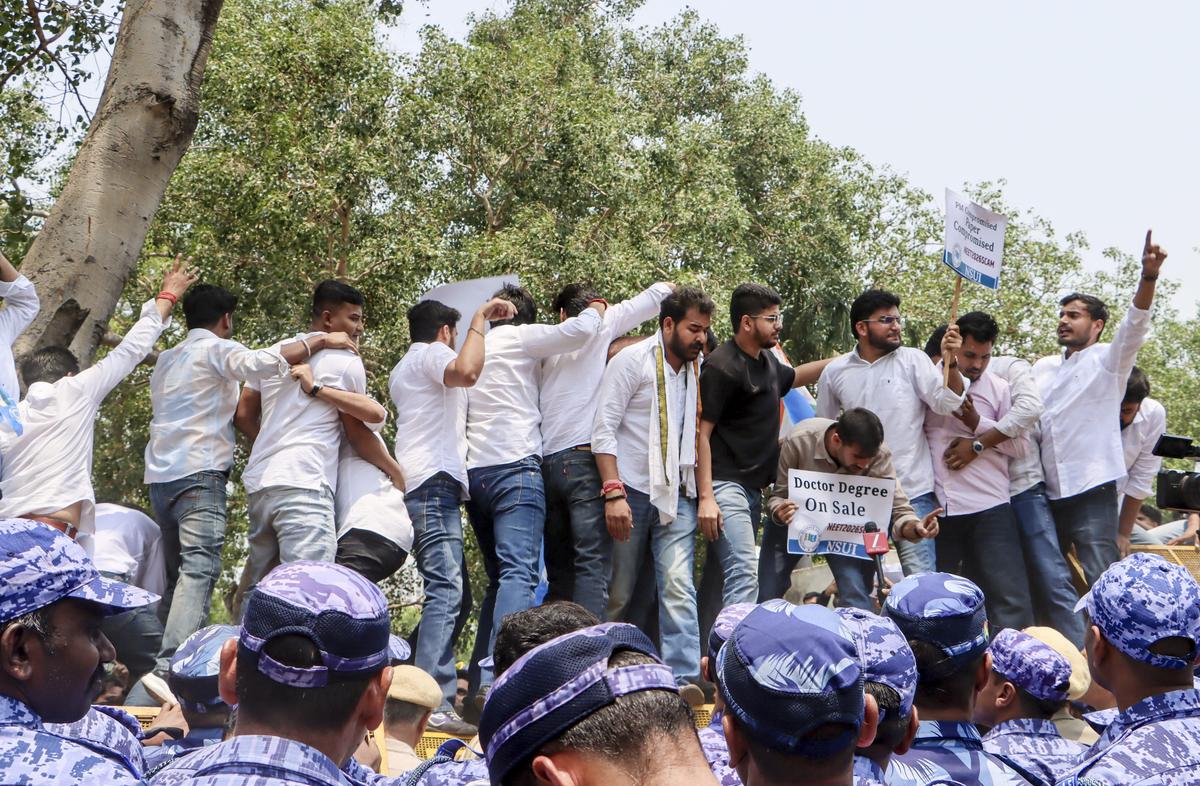
The move comes just days before millions of students are scheduled to retake the NEET-UG examination on June 21 after the original test held in May was cancelled following allegations of a paper leak. The controversy triggered nationwide protests and prompted a wider investigation into examination security and administrative failures.
The National Testing Agency (NTA), which conducts the exam, welcomed the government’s decision, claiming that organised cheating networks had allegedly been using Telegram channels and groups to mislead candidates and offer fraudulent access to examination papers. The agency said several channels were demanding large sums of money from students and parents by falsely promising leaked question papers.
In addition to restricting access to Telegram until June 22, authorities reportedly directed the platform to disable its message-editing feature in India until June 30. Officials argued that the feature had been misused to fabricate evidence related to alleged paper leaks and create confusion among candidates.
The Indian Cyber Crime Coordination Centre (I4C), working with law enforcement agencies, also removed numerous Telegram channels, groups and automated bots suspected of promoting examination fraud.
However, the decision has drawn criticism from digital rights advocates and internet freedom groups. The Internet Freedom Foundation (IFF) described the restriction as a reactive measure that fails to address the root causes of exam leaks. Critics argue that temporary platform bans inconvenience millions of legitimate users, including students who rely on Telegram for study groups, educational resources and academic discussions.
The NEET controversy has intensified scrutiny of India’s examination system, especially after similar allegations emerged in previous years. While authorities say the temporary restriction is necessary to protect the integrity of the retest, debate continues over whether platform bans can effectively tackle systemic examination fraud.
