

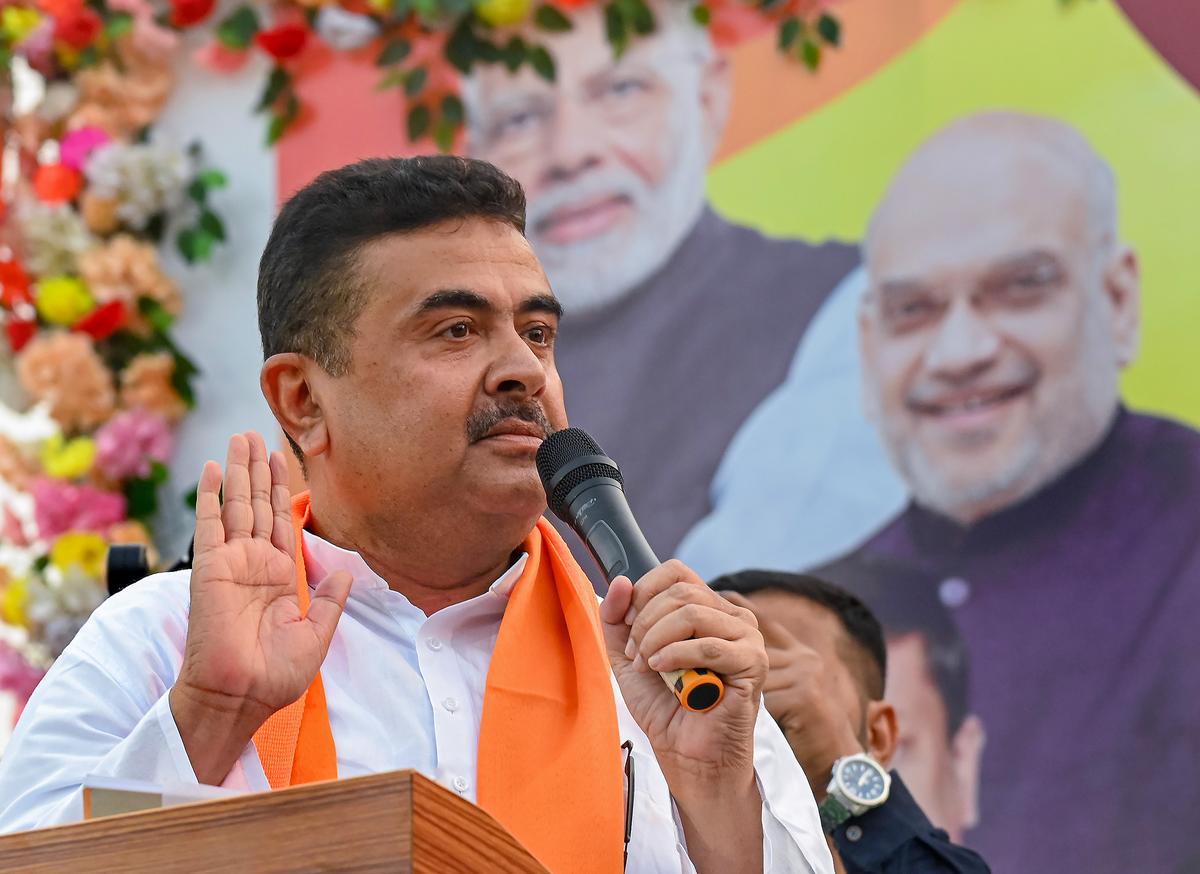
The BJP government in West Bengal unveiled its first state budget, combining welfare measures, infrastructure development and employment-focused initiatives while outlining plans for long-term economic growth and fiscal discipline.
Presenting the budget, Finance Minister Swapan Dasgupta announced a series of measures aimed at boosting social welfare and creating opportunities for youth. A major highlight was the launch of the Bhorsa Karmasathi Scheme, under which unemployed graduates will receive monthly financial assistance of ₹3,000. The government also increased salaries for para-teachers by ₹5,000 per month, raised the honorarium of Asha workers by ₹5,000 and announced a ₹2,000 hike for civic volunteers, home guards and green police personnel.
The budget emphasized education and healthcare, with plans to establish four new medical colleges in Alipurduar, Kalimpong, Dakshin Dinajpur and Paschim Bardhaman, alongside an increase of 650 MBBS seats across 13 medical colleges. Free coaching centres for competitive examinations will be set up in every district, while ₹2,100 crore has been allocated for model schools.
Infrastructure development received significant attention. The government allocated ₹1,200 crore for the Ghatal Master Plan flood-control project, ₹900 crore for the Chingrighata–New Town elevated corridor and ₹1,200 crore for a new bridge over the Bhagirathi River. A semiconductor manufacturing unit is planned in Durgapur, while an IT park will be developed in Siliguri. The state also proposed a greenfield airport in Kalyani to reduce congestion at Kolkata airport.
In North Bengal, the government announced plans for a sports university, a new stadium and proposals to establish IIT and IIM campuses. Five new districts—Kolkata, Basirhat, Sundarbans, Jangipur and Arambagh—have also been proposed.
The budget further introduced stricter liquor licensing norms, prohibiting new liquor shops within one kilometre of schools, hospitals and religious institutions. With a focus on balancing welfare spending and economic growth, the budget aims to address employment generation, industrial revival and infrastructure expansion while managing the state’s significant debt burden.
