

All coal mining operations are conducted with valid statutory clearances such as Environmental Clearance (EC), Forest Clearance (where applicable), Consent to Operate, and Groundwater Clearance. These are granted under the Environment (Protection) Act, 1986, following the EIA Notification, 2006, and are monitored through regular compliance reports submitted to Pollution Control Boards and MoEF&CC. The clearance process includes a thorough Environmental Impact Assessment (EIA) and an Environmental Management Plan (EMP), covering air, water, soil, biodiversity, and post-mining restoration.
Coal-fired power plants follow a framework of environmental policies and technologies aligned with national sustainability goals to reduce air, water, and soil pollution.
For sustainable mine closures, comprehensive guidelines issued on 31.01.2025 promote skill development, livelihood generation, land restoration, and ecosystem rehabilitation through community involvement.
Coal and power companies like CIL, NTPC, and DVC are actively involved in CSR programs for livelihood enhancement in regions such as Jharkhand and Odisha.
The Government has not set any timelines for phasing out inefficient coal mines.
To promote coal and lignite gasification, the Government has:
- Launched an ₹8,500 crore incentive scheme for gasification projects.
- Created a new sub-sector for syngas production under NRS linkage auctions.
- Allowed coal supply at regulated sector prices for gasification projects starting within seven years.
- Offered 50% revenue share rebate for coal used in gasification (minimum 10% usage required).
- Introduced a waiver framework for ToT from land-border-sharing nations (one waiver granted so far).
For inclusive development and environmental rehabilitation:
- Land acquisition and R&R follow structured, state-approved schemes with local consultation.
- Mine closures involve technical and biological reclamation with state oversight.
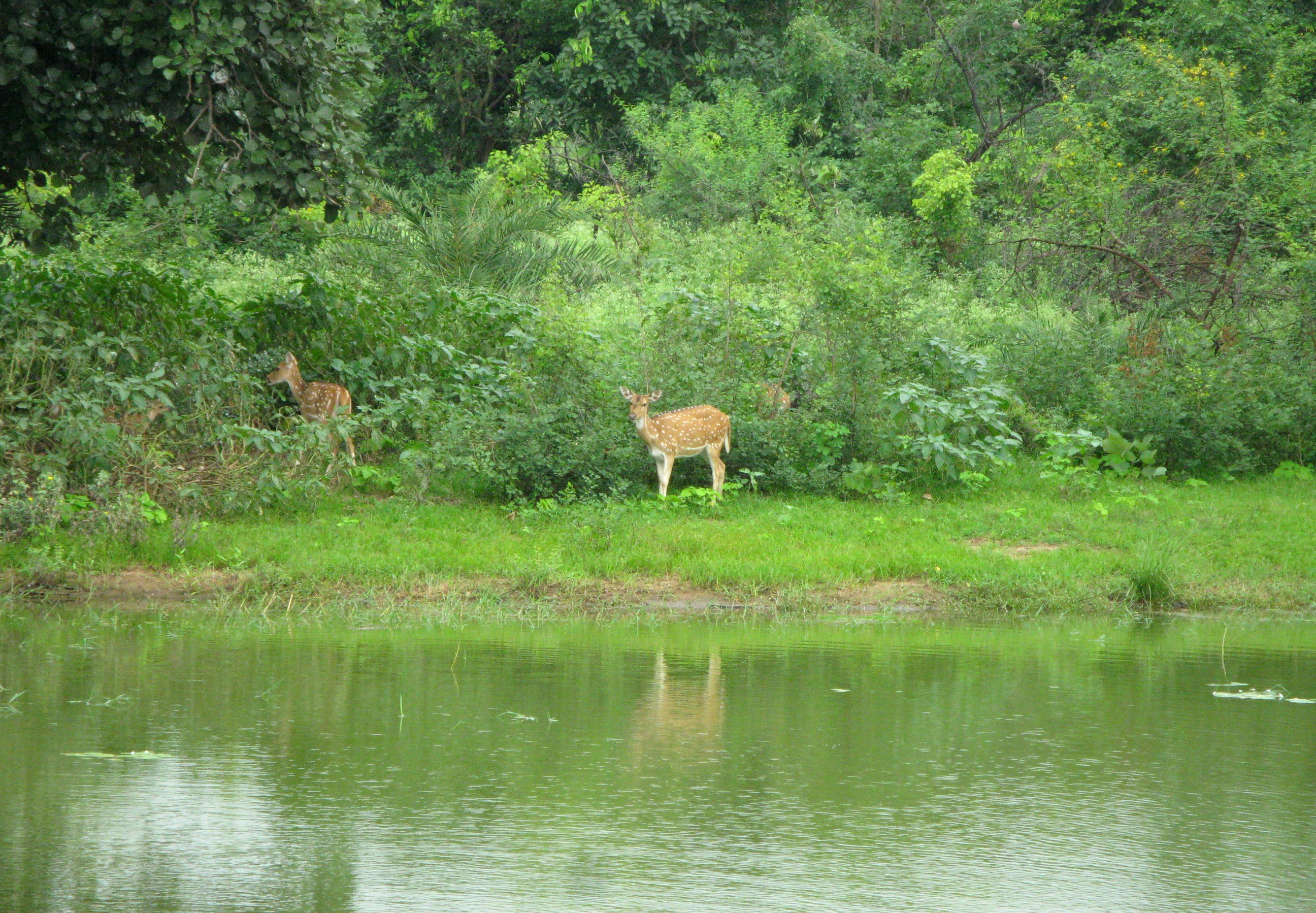
- Reclaimed lands are being converted into eco-parks, reservoirs, and tourist sites (e.g., Saoner Eco Park, Gunjan Park).
- Large-scale afforestation and community sapling distribution are ongoing.
- Mine voids are being repurposed for irrigation, drinking water, and pisciculture to support local livelihoods.
