

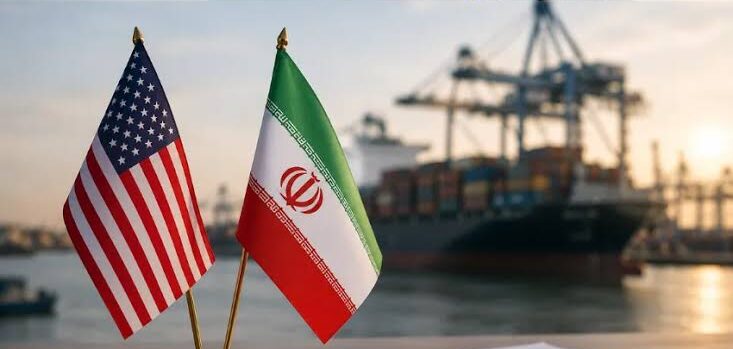
U.S. and Iranian negotiators are set to begin high-stakes talks in Switzerland on Sunday as both sides seek to build on a recently signed interim agreement aimed at halting regional conflict and advancing negotiations over Iran’s nuclear programme.
The discussions come amid renewed tensions after Iran announced that it had once again closed the Strait of Hormuz, citing ongoing Israeli military operations in Lebanon and accusing Washington of failing to uphold commitments under the interim deal. The strategic waterway is one of the world’s most important energy routes, carrying a significant share of global oil exports.
U.S. President Donald Trump responded by warning that Washington could impose tolls on vessels using the strait if a comprehensive agreement with Iran is not reached within 60 days. Under the interim arrangement, maritime traffic is currently allowed to move toll-free while negotiations continue.
Senior officials from both countries arrived in Switzerland ahead of the talks. Iran’s delegation is led by Parliamentary Speaker Mohammad Bagher Qalibaf and includes Foreign Minister Abbas Araghchi and economic officials. U.S. Vice President JD Vance also travelled to Switzerland, expressing optimism that progress could be made on both Iran’s nuclear programme and efforts to reduce tensions in the region.
Iranian officials, however, cautioned that negotiations could be jeopardised if key commitments are not honoured. Tehran insists that a broader ceasefire, particularly in Lebanon, is necessary for meaningful progress.
Meanwhile, fighting between Israel and Hezbollah continued over the weekend. Israeli airstrikes in southern Lebanon reportedly killed at least 16 people, including children, while Hezbollah launched dozens of projectiles toward Israeli positions. The conflict has claimed thousands of lives and remains a major obstacle to regional stability.
The outcome of the Switzerland talks will be closely watched by global markets, particularly as uncertainty surrounding the Strait of Hormuz continues to raise concerns about energy supplies and economic stability. Both sides face pressure to turn the temporary agreement into a lasting diplomatic breakthrough.
