

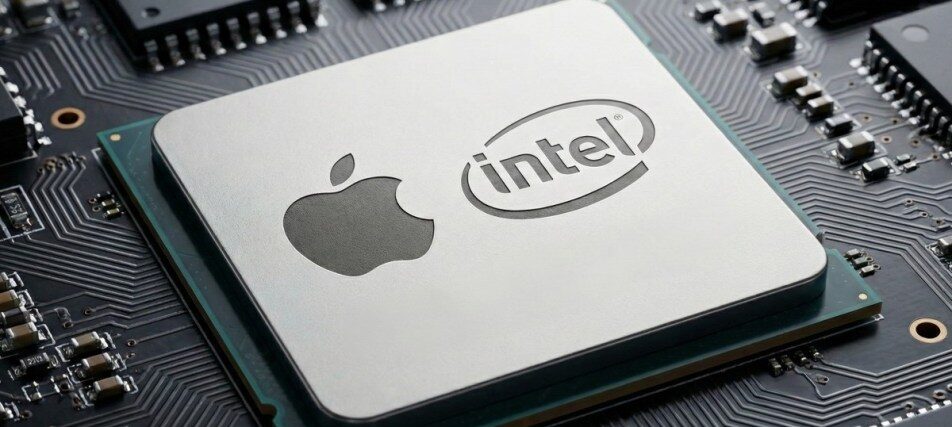
Intel shares surged nearly 9% in premarket trading after US President Donald Trump announced that the semiconductor giant had secured a major agreement with Apple to manufacture chips in the United States. The development marks a significant milestone for Intel as it seeks to strengthen its position in the global semiconductor industry and revive its foundry business.
According to reports, Intel stock rose as much as 9% before the opening bell, while Apple shares recorded modest gains. The partnership is expected to help Apple diversify its chip manufacturing operations, which have long relied heavily on Taiwan-based chipmaker TSMC. By adding Intel as a manufacturing partner, Apple could reduce supply chain risks while expanding domestic production capacity in the US.
For Intel, the deal represents a major breakthrough after years of manufacturing setbacks and missed opportunities in the rapidly growing artificial intelligence sector. The company has faced intense competition from rivals and has struggled to attract large-scale customers for its foundry services. Securing Apple as a client is expected to enhance Intel’s credibility and strengthen confidence in its manufacturing capabilities.
The announcement comes shortly after Intel revealed that production had begun using its next-generation 18A process technology, a key part of its strategy to compete with leading chipmakers. Trump stated that the partnership aligns with broader efforts to bring semiconductor manufacturing back to the United States and reduce dependence on overseas production.
Intel has also benefited from substantial government support, including a federal stake in the company and billions of dollars in planned investments aimed at expanding domestic chip manufacturing. The company has been positioned as a critical player in efforts to strengthen US semiconductor supply chains.
Investor enthusiasm has been reflected in Intel’s stock performance, with shares posting significant gains over the past year. The Apple partnership is viewed as another step in Intel’s turnaround strategy, potentially opening the door to additional high-profile manufacturing contracts in the future.
