

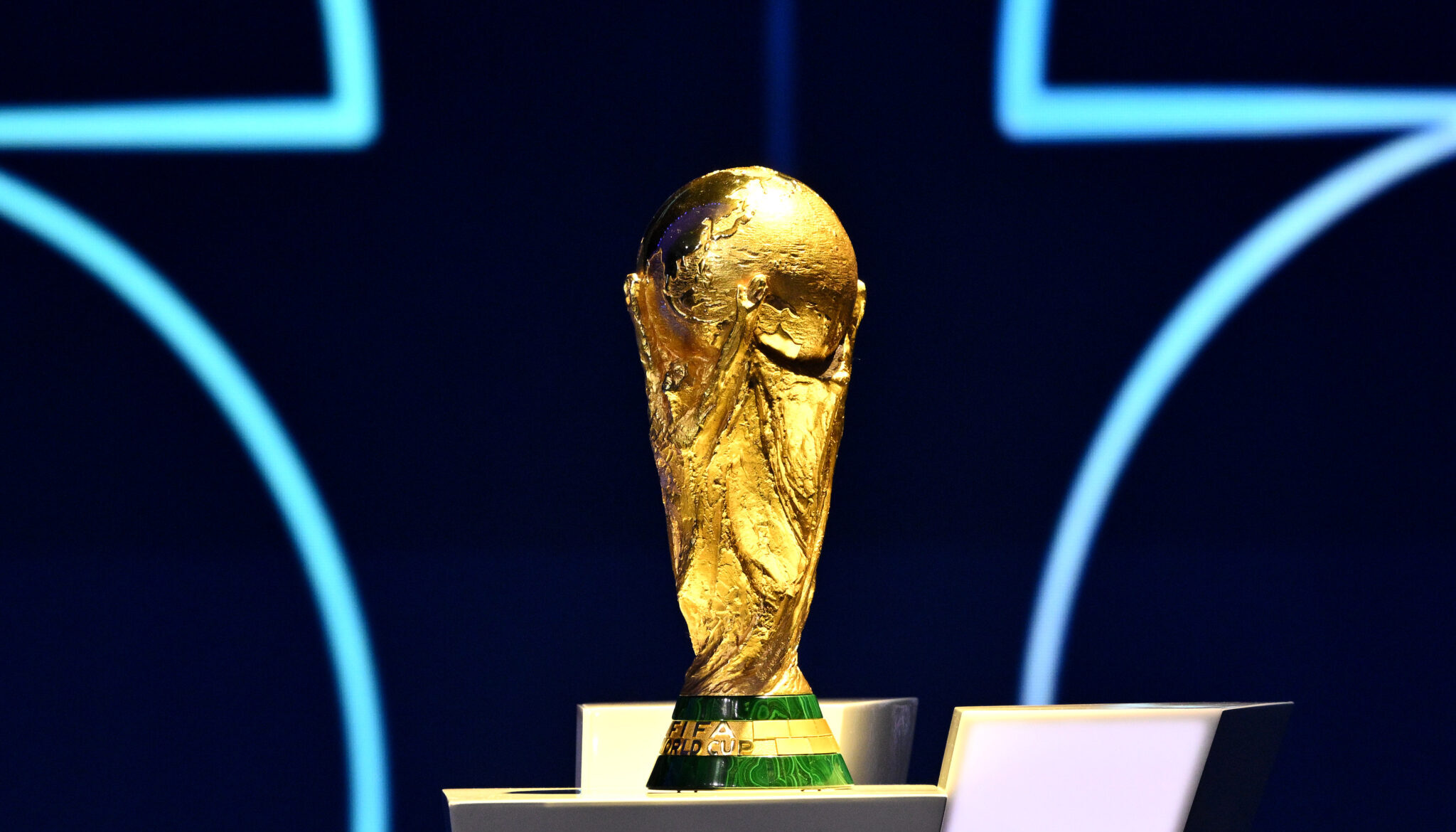
The 2026 FIFA World Cup is shaping up to be one of the most unusual and economically significant tournaments in football history. Co-hosted by the United States, Canada, and Mexico, the event is unfolding against a backdrop of geopolitical tensions, trade disputes, and major changes in the business of sport.
Unlike previous World Cups, this edition comes at a time when the three host nations are engaged in complex negotiations over trade and economic policy. At the same time, global conflicts and diplomatic tensions have added another layer of uncertainty to the tournament, highlighting the increasingly close relationship between sport, politics, and economics.
However, the most striking development may be the transformation of football’s financial model. The expanded tournament will feature 48 teams and more matches than ever before, making it the largest World Cup in history. Organisers expect record-breaking television audiences and unprecedented commercial revenues.
A key feature of the tournament is the widespread use of dynamic ticket pricing, where prices increase as demand rises. While this strategy has been common in American sports and music events, it has never been implemented on such a scale in world football. As a result, many fans are facing exceptionally high costs, with premium tickets running into thousands of dollars and transportation expenses also seeing significant increases.
The influence of American sports economics is evident throughout the tournament. Most matches in the United States will be played in NFL stadiums, where revenue maximisation and premium fan experiences have long been central business strategies. This approach prioritises higher spending customers and reflects a broader trend in modern economies, where financial gains are increasingly concentrated among wealthier consumers.
For FIFA, the model promises record revenues that can be reinvested into football development worldwide. For fans, however, the 2026 World Cup represents a major shift in how the world’s biggest sporting event is experienced and consumed.
