

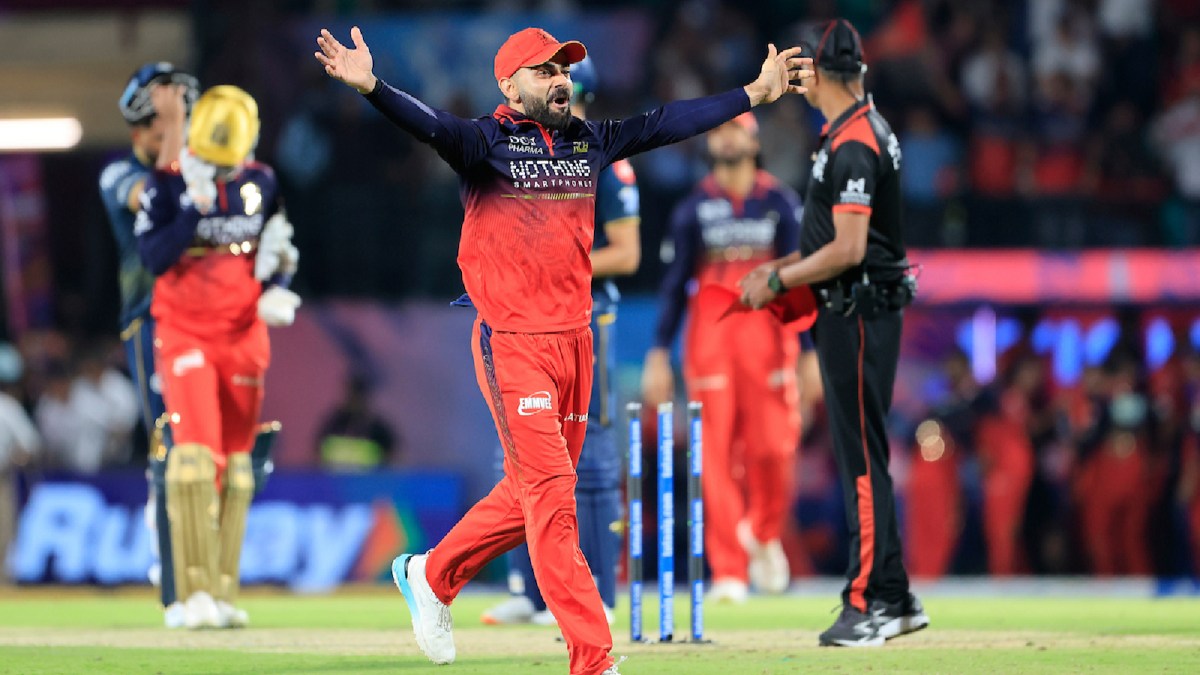
Royal Challengers Bengaluru (RCB) delivered a dominant performance in the IPL final, defeating Gujarat Titans (GT) with ease to claim the title. What was expected to be a closely fought contest turned into a one-sided affair as GT struggled to cope with RCB’s well-executed short-ball strategy on a challenging pitch.
Playing on a mixed-soil surface with a significant red-soil component, the pitch offered extra bounce and movement throughout the match. Recognising the conditions, RCB’s bowlers repeatedly targeted the short length, making life difficult for GT’s batters. Nearly 40 percent of RCB’s deliveries were bowled short, a tactic that proved highly effective.
The strategy paid immediate dividends as six GT wickets fell to short-pitched deliveries. Key batters including captain Shubman Gill and leading run-scorer Sai Sudharsan were dismissed early, leaving Gujarat on the back foot. The Titans never recovered from those setbacks and could only manage a modest total of 155/8.
RCB captain Rajat Patidar revealed after the match that the short-ball approach was not pre-planned but was decided by the bowlers based on the conditions. Bhuvneshwar Kumar, Josh Hazlewood, Rasikh Dar and Jacob Duffy executed the plan brilliantly, with Dar emerging as the most successful bowler while Bhuvneshwar’s disciplined spell in the Powerplay set the tone.
The match was effectively decided during the Powerplay overs. While GT lost crucial wickets and momentum, RCB’s opening pair of Virat Kohli and Venkatesh Iyer launched an aggressive assault during the chase. The duo added 62 runs in just 4.3 overs, taking the game away from Gujarat almost immediately.
Although GT managed to pick up a few wickets later, the result was never seriously in doubt. Despite questions about their handling of short-pitched bowling, GT’s management preferred to focus on the team’s overall campaign and acknowledged RCB’s superior performance on the day.
