

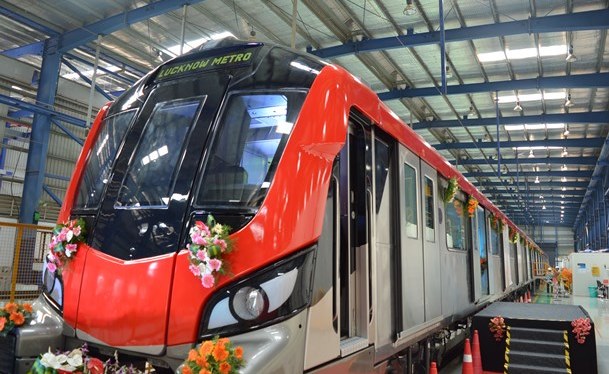
The Union Cabinet, chaired by Prime Minister Shri Narendra Modi, has approved Phase-1B of the Lucknow Metro Rail Project in Uttar Pradesh. The new corridor will span 11.165 km with 12 stations — seven underground and five elevated. Once operational, Lucknow’s active metro network will extend to 34 km.
Key Benefits and Impact
Enhanced Connectivity:
Phase-1B will connect the oldest and most densely populated parts of Lucknow, currently underserved by public transport. The corridor will link:
-
Major commercial hubs such as Aminabad, Yahiyaganj, Pandeyganj, and Chowk
-
King George’s Medical University and other critical healthcare facilities
-
Tourist landmarks like Bara Imambara, Chota Imambara, Bhool Bhulaiya, Clock Tower, and Rumi Darwaza
-
Renowned culinary spots showcasing Lucknow’s rich food culture
Traffic Decongestion:
By offering a fast, reliable alternative to road travel, the metro is expected to ease traffic bottlenecks in Old Lucknow, reducing travel times, improving road safety, and facilitating smoother vehicular movement.
Environmental Gains:
The shift from fossil fuel-based transport to metro rail will help cut carbon emissions, contributing to cleaner air and a healthier environment.
Economic Growth:
Improved access to the airport, railway stations, and bus depots will boost productivity, support local businesses, and attract investments in areas around new stations.
Social Impact:
By making modern public transport accessible to a wider population, the project will help bridge socio-economic gaps and improve quality of life for residents.
The Phase-1B Lucknow Metro Rail Project is set to be a transformative step in the city’s growth, offering sustainable mobility, economic opportunities, and a better urban living experience.
